St. Joseph Health Services provides professionally supervised transcranial magnetic stimulation to support clients’ mental health and behavioral wellness. Our individualized TMS programs are integrated with therapy and counseling to promote emotional regulation, cognitive improvement, and overall well-being.
Transcranial magnetic stimulation (TMS) is an evidence-based, non-invasive procedure used in behavioral health treatment to support individuals experiencing certain mental health conditions, most commonly depression, obsessive-compulsive disorder, and smoking cessation. At St. Joseph Health Services, with locations in Parkersburg, West Virginia, Summersville, West Virginia, and Cambridge, Ohio, TMS is offered as part of a structured and clinically supervised approach to mental health treatment.
For individuals who have not experienced sufficient improvement from therapy, medication, or combined treatment approaches, TMS may provide an additional, targeted option. It is not a stand-alone solution, but rather a clinically guided intervention that can be integrated into a broader treatment plan.
Transcranial magnetic stimulation is delivered under professional supervision in an outpatient setting. It is designed to support emotional regulation, cognitive functioning, and long-term mental health stability while allowing individuals to continue with work, school, and family responsibilities.
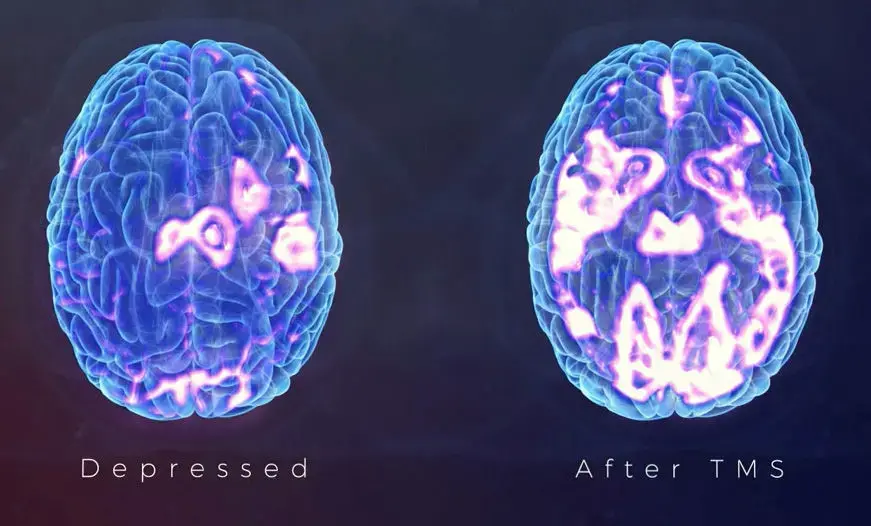
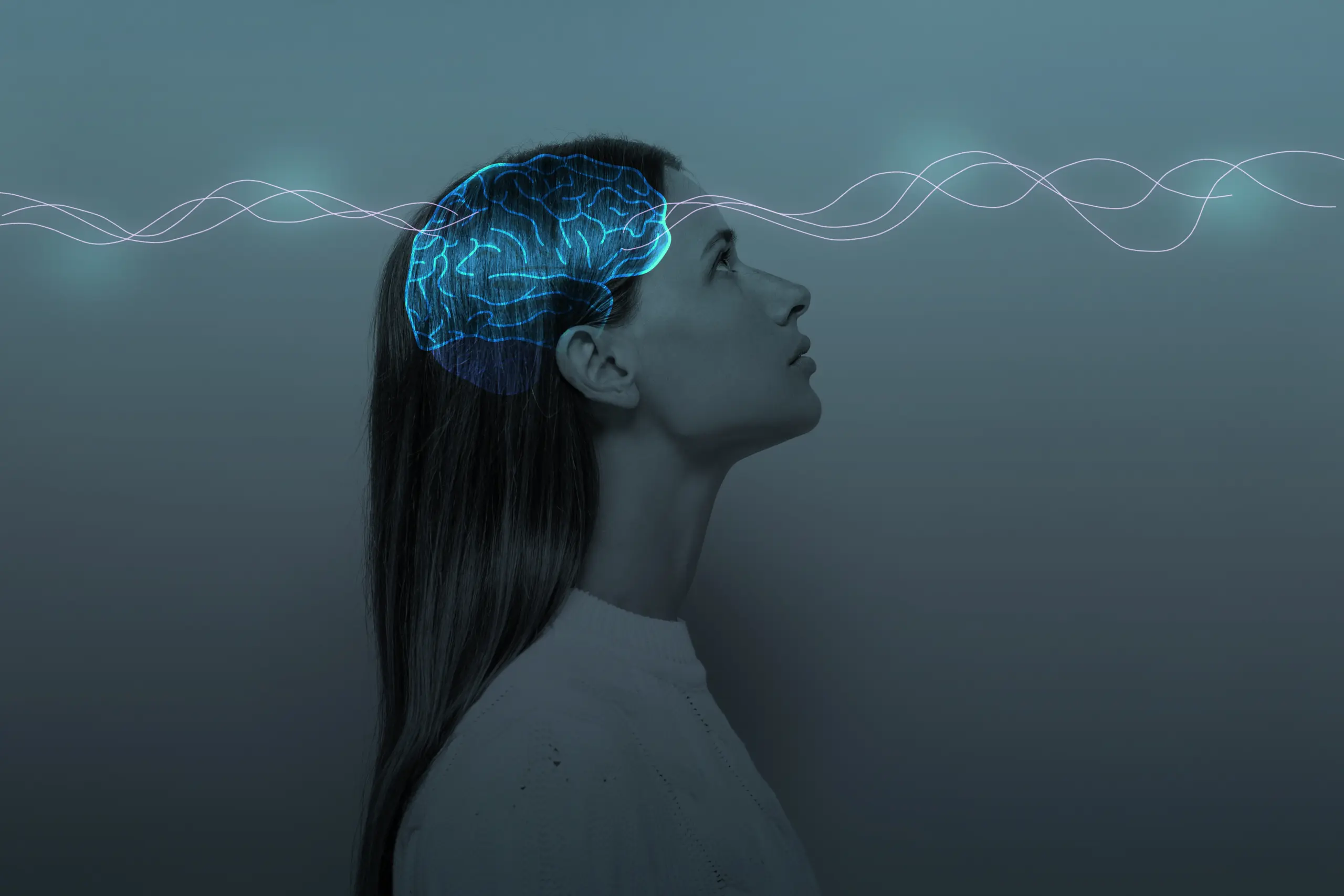
The treatment is based on the understanding that certain mental health conditions, especially major depressive disorder, are associated with irregular activity in brain regions that regulate mood, motivation, and emotional processing. One key area often targeted is the prefrontal cortex, which plays a major role in emotional control and decision-making.
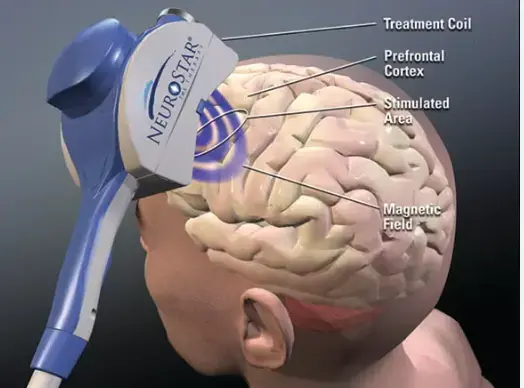
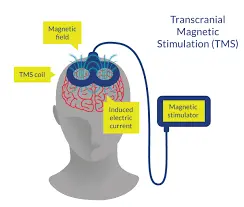
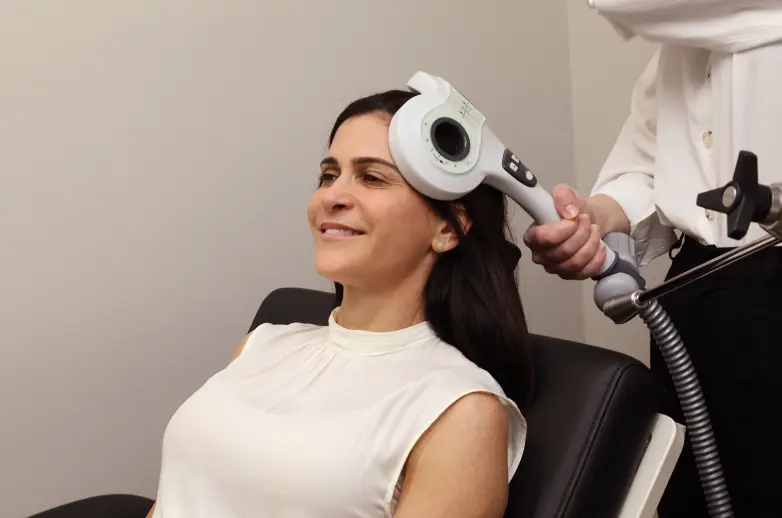
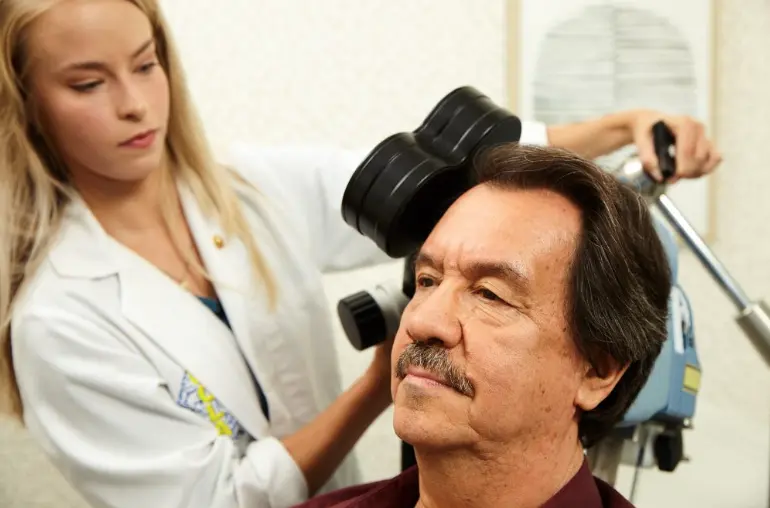
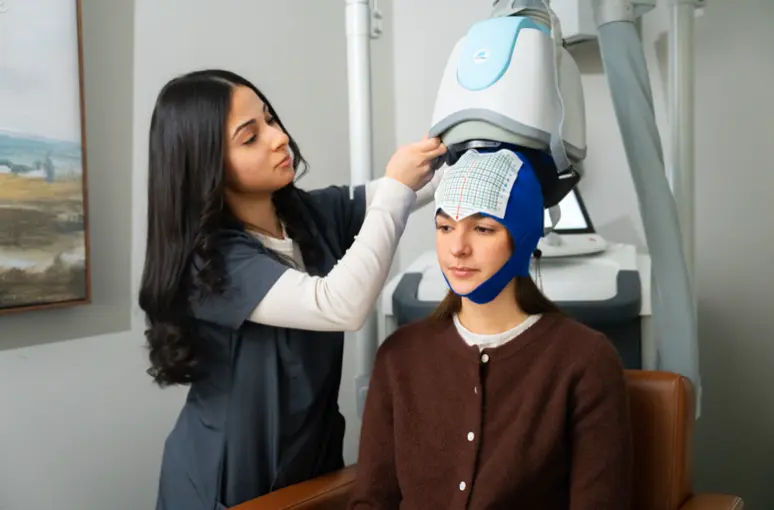
During TMS treatment, an electromagnetic coil is placed gently against the scalp. The device delivers short magnetic pulses that create small electrical currents in targeted brain regions. These currents help activate neural pathways that may be underactive or dysregulated.
Unlike medication, which affects the brain chemistry systemically, transcranial magnetic stimulation is highly localized. It directly targets specific brain regions without circulating through the bloodstream. This allows it to avoid many of the systemic side effects associated with antidepressant medications.
A typical TMS session involves:
- No anesthesia or sedation
- The individual remaining awake and alert
- Sessions last approximately 20 to 40 minutes
- A series of treatments delivered over several weeks
After each session, individuals can return immediately to normal daily activities.
TMS is most commonly used to treat:
- Major Depressive Disorder, especially treatment-resistant depression
- Depression with anxiety symptoms
- Certain mood-related conditions, when clinically appropriate
In some cases, TMS may be considered as part of a broader treatment plan for individuals with co-occurring mental health or substance use disorders, depending on clinical evaluation.
How TMS Works in the Brain
This process is gradual. Most individuals require multiple sessions per week over several weeks before experiencing noticeable changes.
The goal of transcranial magnetic stimulation is not to override natural brain function. Instead, it is intended to support the brain in restoring healthier activity patterns in areas affected by depression or chronic stress.
As treatment progresses, individuals may experience:
- Gradual improvement in mood stability
- Increased emotional responsiveness
- Better cognitive clarity
- Reduced the severity of depressive symptoms
Because every individual responds differently, ongoing clinical monitoring is essential throughout the treatment process.
Benefits of TMS in Mental Health Treatment
TMS does not involve surgery, anesthesia, or systemic medication changes during treatment sessions. It is performed entirely in an outpatient clinical setting.
Most individuals tolerate TMS well and are able to continue daily routines without interruption.
TMS may help improve emotional stability and reduce symptoms associated with depression over time.
Many individuals report improved focus, mental clarity, and motivation as symptoms decrease.
TMS is most effective when integrated with psychotherapy, psychiatric care, and behavioral health support.
When clinically appropriate, TMS may be included in treatment plans for individuals managing both mental health and substance use concerns.
TMS Program at St. Joseph Health Services
St. Joseph Health Services offers transcranial magnetic stimulation as part of a structured outpatient behavioral health program designed to support emotional and cognitive recovery.
Each individual receives a comprehensive clinical evaluation before beginning treatment. This ensures that TMS is appropriate, safe, and aligned with their specific needs.
The program includes:
- Individualized treatment planning
- Clinically supervised TMS sessions
- Coordination with therapy and psychiatric services
- Ongoing symptom monitoring and clinical review
- Integration with broader behavioral health care when needed
TMS is provided in a supportive clinical environment that allows individuals to maintain work, school, and family responsibilities while receiving treatment.
What to Expect During TMS Treatment
During each session:
- The individual sits comfortably in a treatment chair
- A magnetic coil is placed against the scalp
- Targeted magnetic pulses are delivered to specific brain regions
- The individual remains awake and alert throughout
Most people describe a tapping sensation during treatment. This sensation is usually mild and often becomes less noticeable as treatment continues.
After each session, there is no recovery time required. Individuals can immediately return to normal daily activities, including work or school.
Because TMS works cumulatively, progress is evaluated over time rather than after a single session. Clinical staff track symptoms and adjust care when necessary.
Who May Benefit From TMS
Transcranial magnetic stimulation is typically considered when individuals experience persistent mental health symptoms that have not improved with standard treatments.
You may benefit from TMS if you are experiencing:
- Ongoing depression despite therapy or medication
- Difficulty functioning due to low mood or lack of motivation
- Emotional numbness or reduced responsiveness
- Persistent fatigue related to depression
- Co-occurring mental health and substance use challenges
- Interest in non-invasive, evidence-based treatment options
A licensed clinical provider must complete a full evaluation to determine whether TMS is appropriate.
Who May Be a Candidate for TMS
Many adults referred for TMS have not experienced sufficient improvement from medication or psychotherapy alone.
Adolescents may be evaluated for TMS when symptoms are severe, and other treatments have not been effective. Careful screening and oversight are required before treatment begins.
TMS may be considered for individuals managing both mental health disorders and substance use concerns as part of an integrated treatment plan.
Some individuals pursue TMS as part of a broader effort to address persistent mood symptoms when traditional approaches have been limited.
Veterans and first responders may be evaluated for TMS when experiencing depression, anxiety, or trauma-related symptoms that interfere with daily functioning.
All candidates must complete a comprehensive clinical assessment to determine safety, appropriateness, and expected benefit.
TMS is considered a safe and well-established treatment when provided under clinical supervision. At St. Joseph Health Services in Parkersburg, WV, Summerville, WV, and Cambridge, OH, all TMS treatment is monitored by trained professionals to ensure safety and effectiveness.
Before beginning treatment, individuals are screened for medical and psychiatric factors that may affect suitability.
Common side effects may include:
- Mild scalp discomfort
- Temporary headache following treatment
These effects are typically short-term and tend to decrease as treatment progresses. Ongoing clinical oversight ensures that treatment remains appropriate and responsive to individual needs.
TMS as Part of a Comprehensive Treatment Plan
- Individual therapy
- Cognitive and behavioral interventions
- Psychiatric medication management
- Supportive counseling services
- Ongoing treatment planning and coordination
This integrated model addresses both neurological and psychological aspects of mental health conditions, supporting more stable long-term outcomes.
Transcranial Magnetic Stimulation FAQs
A typical course of TMS involves 5 sessions per week over 6-8 weeks. The exact duration depends on individual response and clinical recommendations.
Medication changes should only be made under the guidance of a prescribing provider. TMS may be used alongside medication, but does not automatically replace it. However, once TMS treatment is completed, some individuals require lower doses or even no medication to manage symptoms.
No. TMS is an outpatient treatment, meaning individuals return home after each session and continue normal daily activities.
Coverage depends on the insurance provider and clinical criteria. St. Joseph Health Services can assist with benefit verification and eligibility questions.
If TMS is not effective, clinicians will reassess treatment options and may recommend alternative or additional behavioral health interventions.
Moving Forward With Care
Transcranial magnetic stimulation is a clinically supported, non-invasive treatment option that may help individuals experiencing depression and related mental health conditions improve emotional stability, cognitive functioning, and overall quality of life.
When delivered under professional supervision and integrated into a comprehensive treatment plan, TMS can be an important part of long-term mental health recovery.
With structured, evidence-based care, clients can pursue recovery while maintaining daily responsibilities and achieving long-term mental health stability. To learn more or begin treatment, contact us today.